
Planning family vacations can feel like an overwhelming task, especially with kids in the mix and busy schedules to work around. For our family, planning is all about being proactive, flexible, and engaging everyone in the process. As we enjoy the remaining trips we have planned from last year’s proactive vacation planning, we’re also gearing up to plan travel adventures for the next year. Here’s a detailed look at how we approach vacation planning, from start to finish, and tips for other families looking to travel more.

Planning Far in Advance
For our family, vacation planning often starts a year or more in advance, especially for trips during predictable dates like Christmas or New Year’s. These times tend to come with higher travel costs, so locking in dates and flights early can save money and ensure availability.
We also take school schedules and extracurricular activities into account. Some dates, like snow days that might be “returned” to us if unused, require shorter planning timelines. For these, we prioritize road trips or shorter getaways that offer flexibility. Below is a peek into our planning process for the 2025-2026 school year.

Narrowing Down Destinations
We keep a running list of destinations—local, intermediate, and aspirational—along with key attractions we’d like to visit. Our current list includes:
- Local (3-4 days): Washington, D.C., Providence, Rhode Island, and Bar Harbor, Maine
- Intermediate (4-6 days): Dallas-Fort Worth, Las Vegas, Nashville, and Chicago
- Aspirational (7+ days): Hawaii, Japan, and Alaska
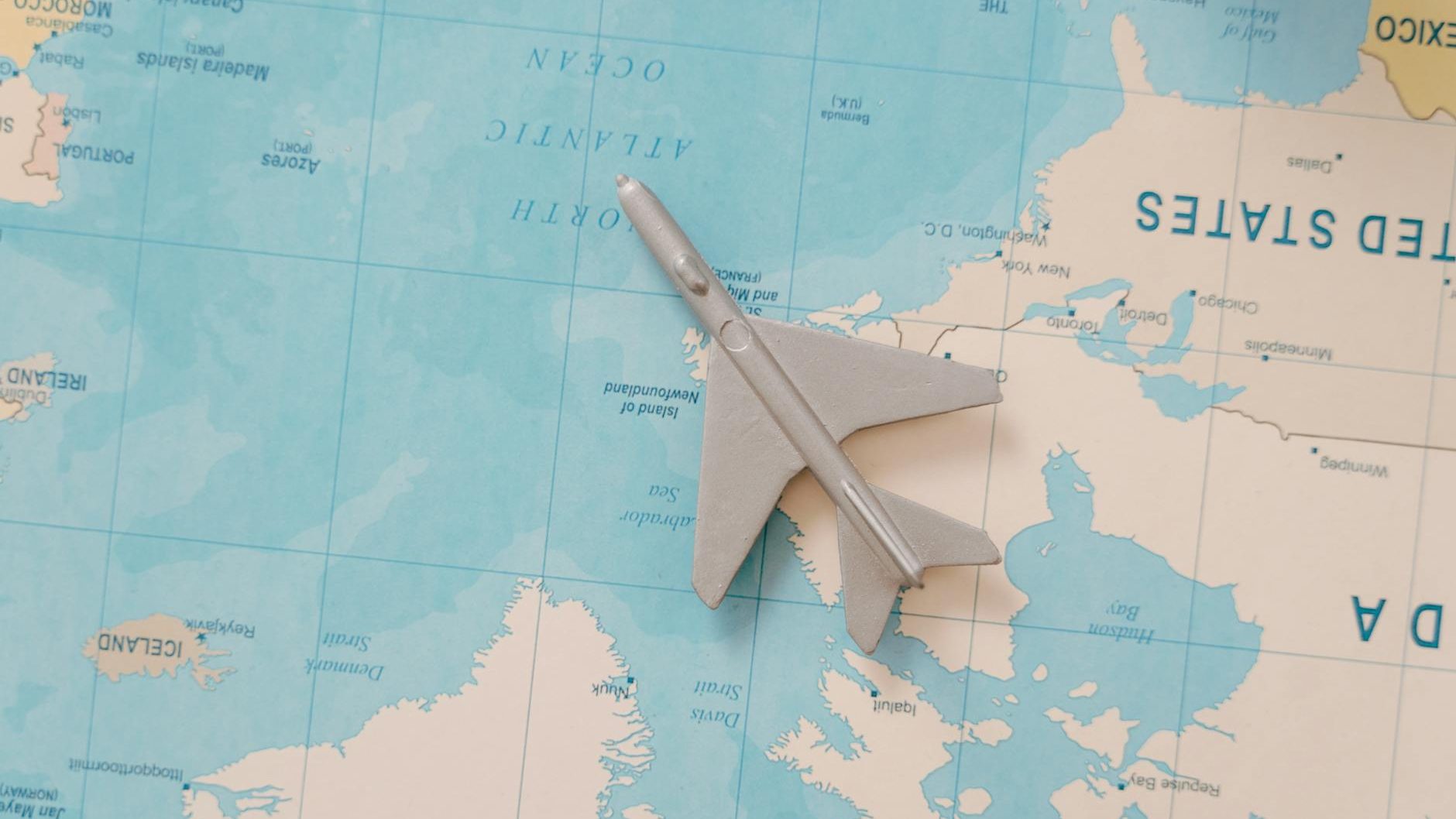
For shorter trips, we often consider holiday weekends, like Labor Day or Memorial Day, and use tools like Google Flights to track airfare. For longer trips requiring flights, we focus on summer vacations when the kids have extended time off from school. Here’s a mapping of the school year and potential destination groupings based on available time.
Drafting an Itinerary
Once we’ve chosen a destination, we focus on three main components: flights, accommodations, and attractions. For hotels, we weigh price, amenities, and proximity to points of interest. Discounts through credit cards, AAA, or corporate rates often help us find the right balance.
We then group attractions and dining options by geographic area to minimize travel time each day. As a rule, we schedule no more than one or two major activities per day. Downtime is crucial for us—whether it’s relaxing by the pool or watching a movie in the hotel room, this built-in flexibility makes the trip far more enjoyable and less stressful for everyone.

Involving the Kids
To make our kids feel involved, we ask them to research potential destinations and share their votes along with reasons for their preferences. This not only sparks their curiosity but also helps us tailor the trip to include experiences they’ll enjoy. One way to approach this is to provide a list of potential activities and ask them to do some research and rank each attraction based on each of their preferences.

Breakfast Tip: Keep It Flexible
One lesson we’ve learned as a family of five is that everyone wakes up at different times—and forcing everyone to wake up at the same time often leads to crankiness. While we love experiencing local cuisine at specific restaurants, breakfast is one meal where flexibility can be more valuable than novelty.
For this reason, we always consider the value and quality of the hotel restaurant breakfast. Even if it’s not the cheapest or most gourmet option, the convenience can’t be overstated. For example, our son typically wakes up around 6:30 AM, while his sisters might not stir until 7:30 or even 8:30. Rather than waking the entire family early or making him wait, we sneak out to the hotel restaurant for an early breakfast. When his sisters eventually wake, they can join us at their own pace.

This setup allows everyone to get the sleep they need without delaying our plans for the day. It’s a small adjustment that makes mornings far less stressful and sets the tone for a smoother day of exploring.
Finalizing the Itinerary
Before we leave, we share the finalized itinerary with everyone. This gives us a chance to gather feedback and make adjustments. For example, we keep the plan flexible enough to swap activities around based on weather—indoor attractions on rainy days and outdoor adventures on sunny ones.
We also maintain a backup list of attractions and dining options that didn’t make the initial cut. If something falls through, we can quickly pivot without wasting time researching on the go.
Packing and Preparing
Providing the itinerary ahead of time helps everyone know what to pack. For younger kids, we might create a short packing list to guide them. This not only fosters independence but also teaches valuable life skills.
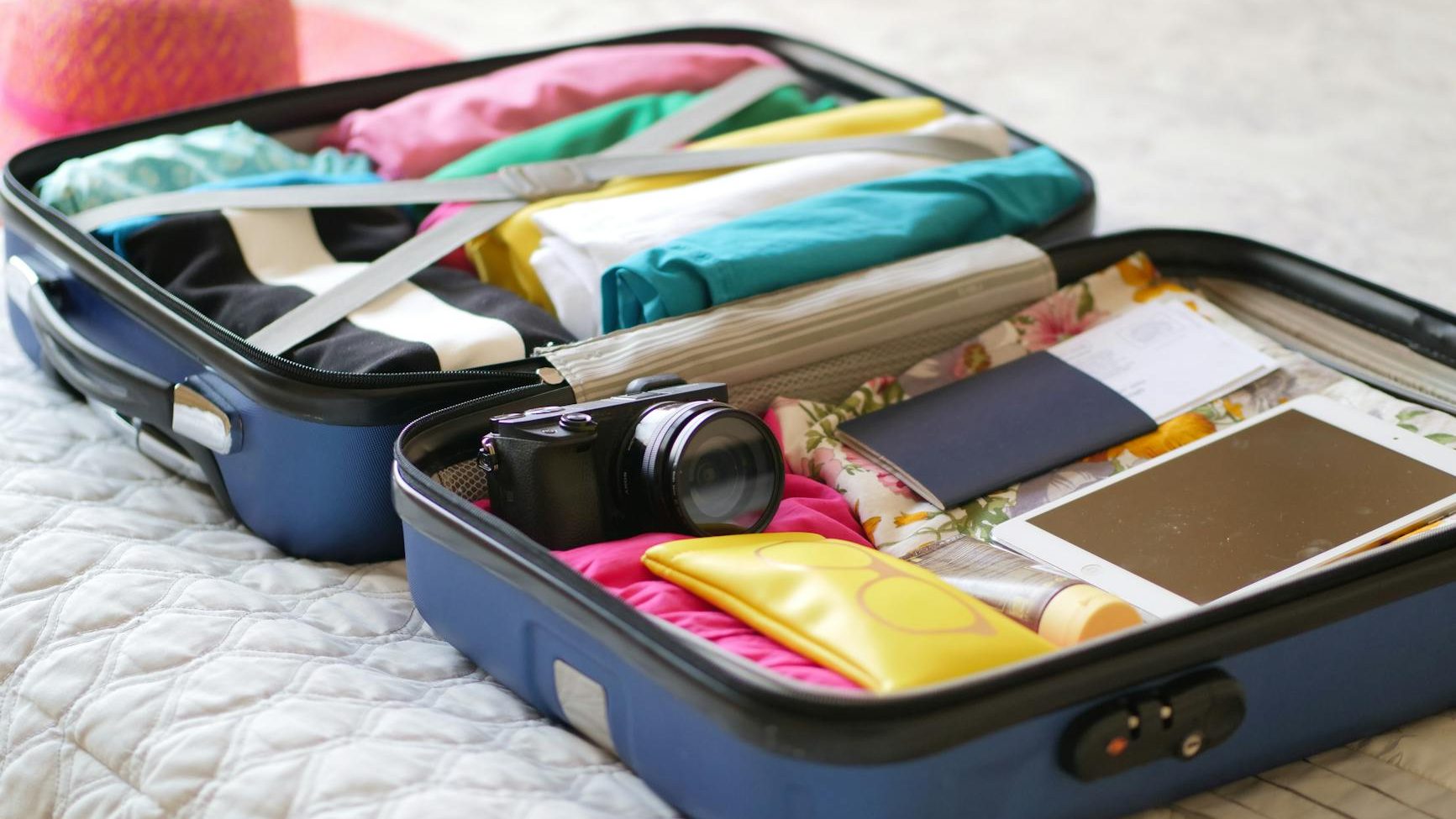
That said, we always double-check their bags. Forgotten items like toothpaste are minor and easily replaceable, but they serve as a good learning opportunity for the kids to be more mindful next time.
Final Thoughts
Planning family vacations takes effort, but it’s well worth it for the memories and experiences you gain together. By planning ahead, staying flexible, and involving everyone in the process, we’ve found a system that works for us—and hopefully, it’ll inspire other families to take the leap and travel more.


 Kid Friendly Travel Adventures
Leave a comment